
Why Double Glazed Sealed Units Fail and What the Signs Mean
By The Window Workshop
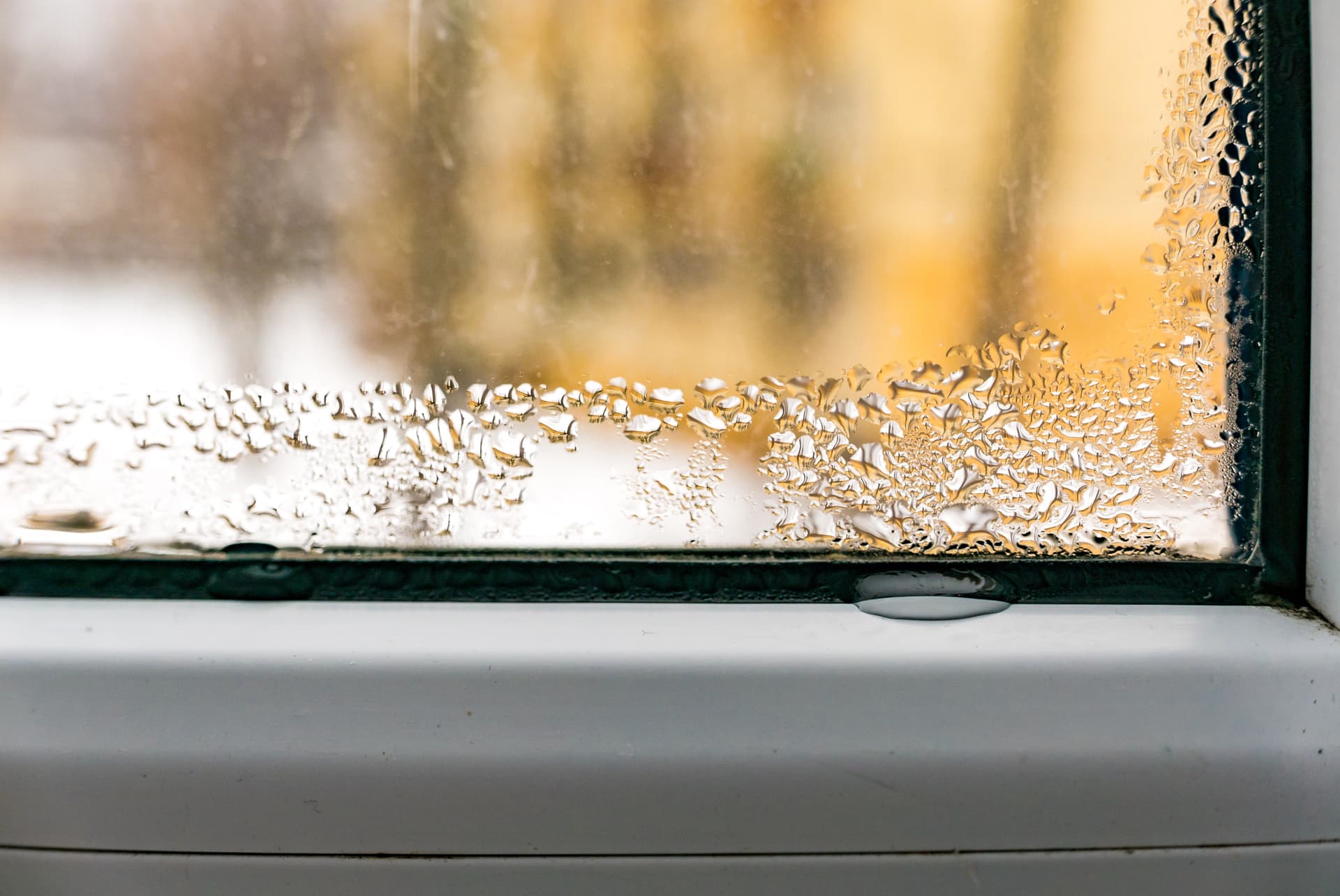
What happens when a sealed unit fails?
A double glazed window is made from two panes of glass separated by a spacer, with a sealed cavity between them. That cavity is designed to stay dry. The edge seal around the unit helps keep moisture out, while the spacer contains a drying agent that absorbs small amounts of moisture inside the cavity.
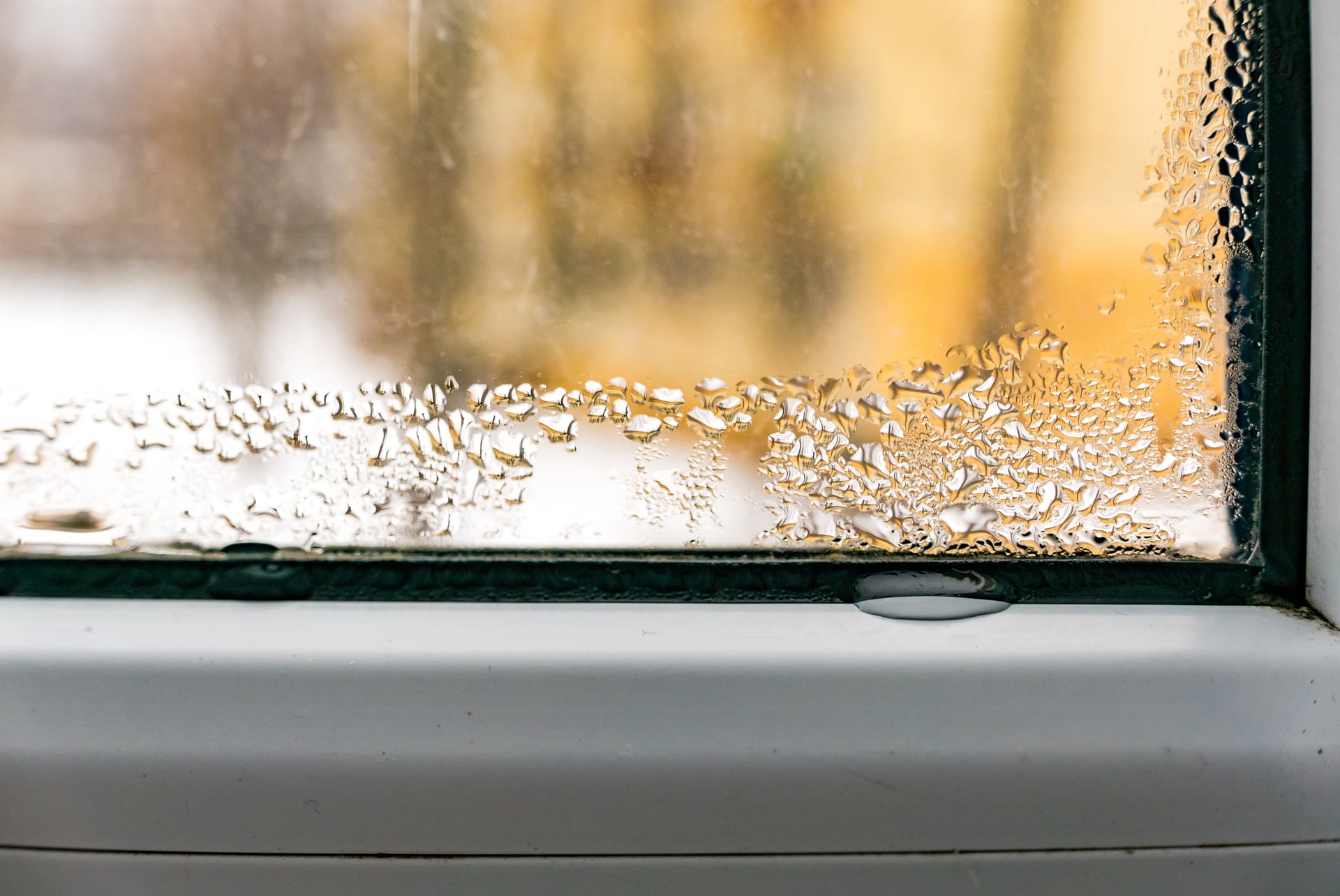
If the edge seal weakens or is damaged, outside air carrying water vapour can enter. The drying agent can only absorb so much. Once it is saturated, moisture can collect between the panes and show as misting or droplets. Because this moisture sits inside the sealed cavity, you cannot wipe it away from either accessible glass surface.
That is the key difference between a failed unit and condensation on the room side of a window. Knowing where the moisture is helps you understand what may be happening before arranging an inspection.
Why do the seals break down?
The edge of a sealed unit is exposed to repeated changes in temperature. The glass and the surrounding frame expand and contract at different rates, putting movement and stress on the seal. Over time, that stress can contribute to deterioration. Impact damage, poor support or movement in the frame can also affect the unit, although the precise cause is not always obvious just by looking at it.
This does not mean every misted window has the same underlying problem. The condition of the frame, the way the unit sits within it and any visible damage all matter. A mark on the glass alone may not tell you whether the seal has failed or whether another issue is contributing.
How to tell where the moisture is
Start with a simple check, without taking anything apart. Look closely at the moisture and, if both sides of the glass are safely accessible, wipe the room side and the outside surface in turn with a clean cloth.
- If the moisture wipes away from the room side, it is on the inside surface, not trapped in the sealed cavity.
- If it is on the exterior surface and can be wiped away safely, it is also outside the unit.
- If the haze or droplets remain between the panes after both accessible surfaces are dry, that points towards moisture inside the sealed unit.
Do not lean out of an opening or climb to reach the outside of a window. If you cannot safely check both surfaces, leave that part to someone who can assess it safely.
Room-side condensation has different possible causes. It can form when moist indoor air meets a colder glass surface, so cooking, bathing, drying clothes indoors and limited ventilation may be relevant. This can occur even when the sealed unit itself is intact. On the other hand, exterior condensation does not automatically mean failure either. The location of the moisture is more useful than the fact that condensation is present at all.
What can misting lead to?
A failed seal means the cavity is no longer staying dry as intended. Misting may come and go as conditions change, so a clear window at one moment does not necessarily prove the unit is sound. Moisture can also leave marks or deposits inside the cavity that remain visible after droplets disappear.
The unit may provide less effective insulation than it did when the cavity was dry. You might notice the window feels less comfortable, but that feeling on its own cannot confirm a sealed unit failure. Draughts, gaps around the frame and other parts of the window can affect comfort too. It is worth considering the whole window rather than assuming every cold spot is caused by the glass unit.
Leaving a failed unit in place is not usually a reason to attempt a DIY repair. The cavity is sealed, and opening it is not a practical way to restore its intended performance. A proper assessment can establish whether the issue is limited to the glass unit or whether the frame also needs attention.
When to arrange an assessment
Make a note of which window is affected, where the moisture appears and whether the haze changes or remains visible. Check for obvious impact damage or movement around the frame, but do not remove beads, seals or glass to investigate. Those observations can help explain the problem, but they are not a substitute for checking the unit and its frame together.
For homeowners in Peacehaven and across Sussex, we can discuss double glazing and the options available for your property. For a concise overview of the service, see our Double Glazing page. If you are unsure whether the moisture is inside the sealed unit or on a glass surface, contact The Window Workshop and we can help you work out what should be assessed.